



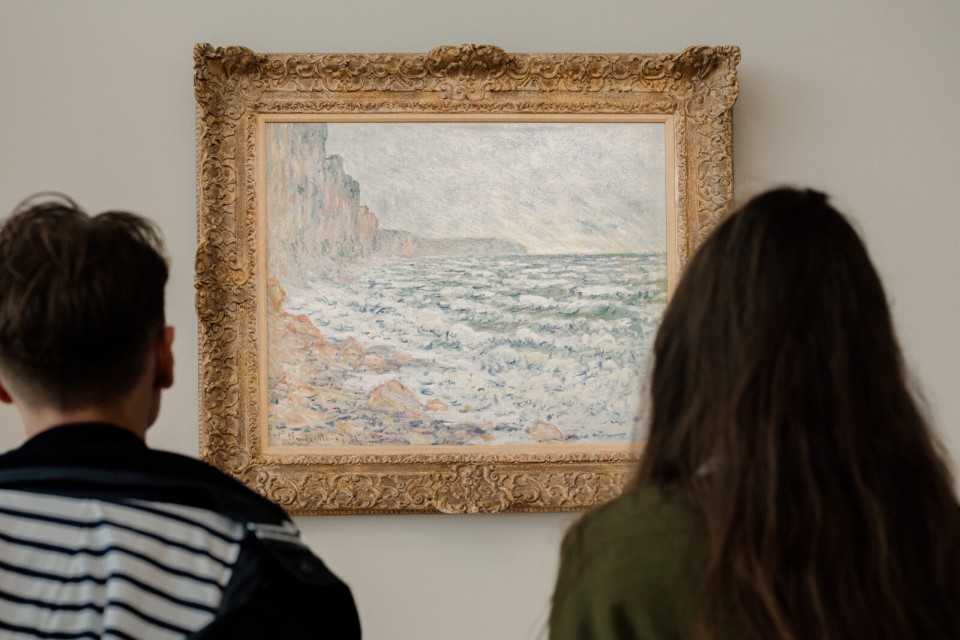
Staying at Castel Camping Le Brévedent offers the chance to discover a Normandy that played a key role in art history. From the 19th century onwards, its ports, rivers and towns attracted painters fascinated by changing light and coastal atmospheres. The region soon became a true open-air studio for Impressionist artists.
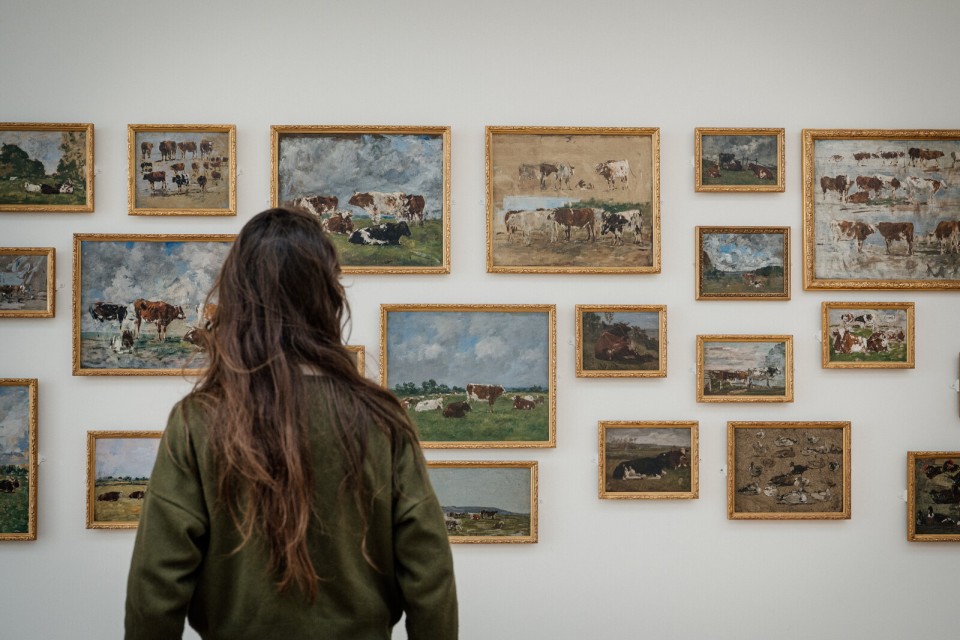
Norman light and Impressionism
Claude Monet, Camille Pissarro and Alfred Sisley were among the first to be captivated by Norman light. Rapid changes in the sky, reflections on water and coastal mists encouraged them to paint directly from nature. In Normandy, light never stands still, pushing artists to capture the moment.
Honfleur and Eugène Boudin
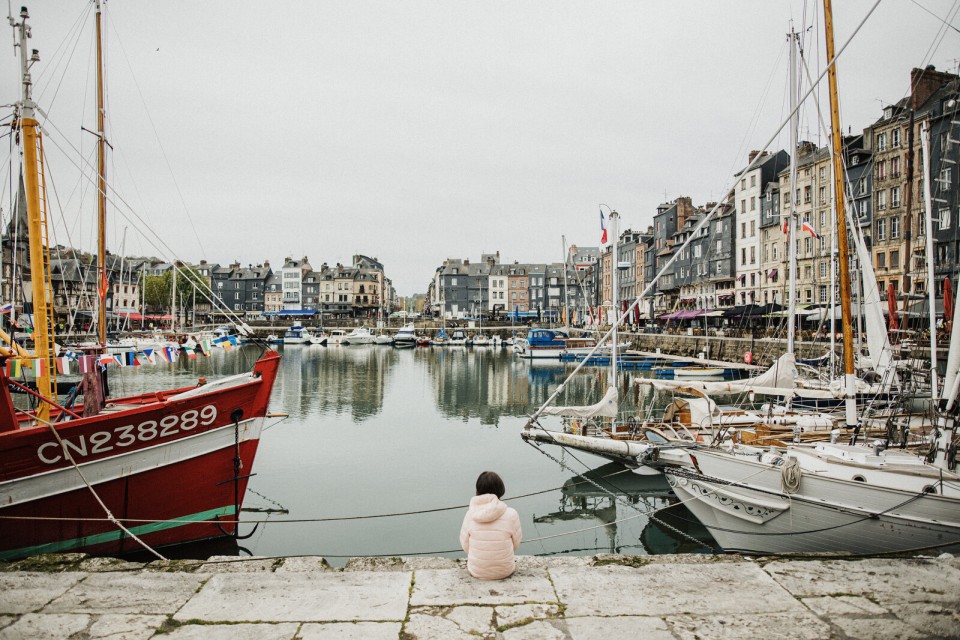
Honfleur played a decisive role in the birth of Impressionism. Eugène Boudin painted the harbour, beaches and skies repeatedly, deeply influencing the young Claude Monet. Around the old harbour and the Seine estuary, Boudin, Jongkind and Monet experimented with open-air painting.
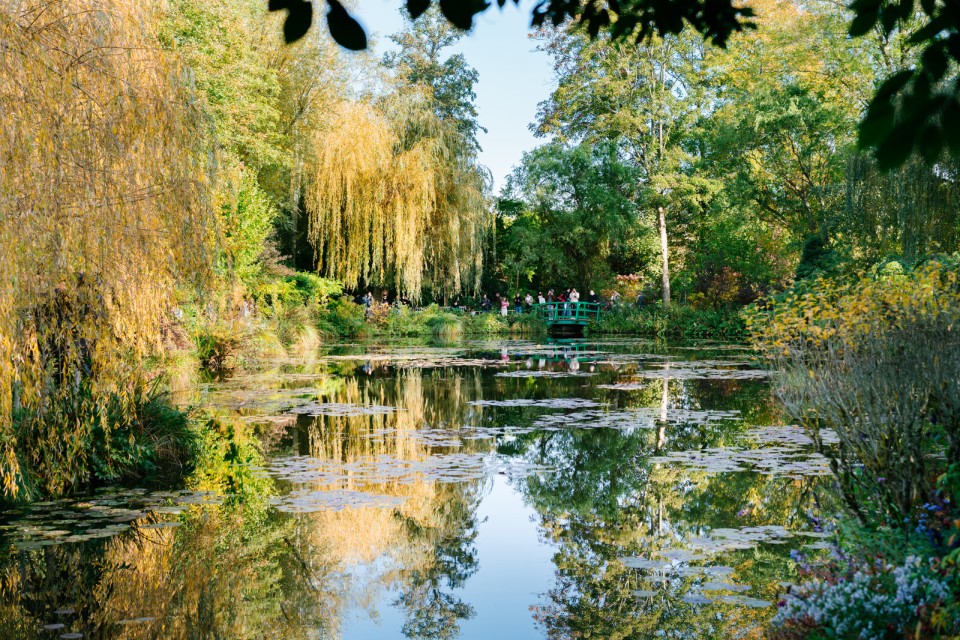
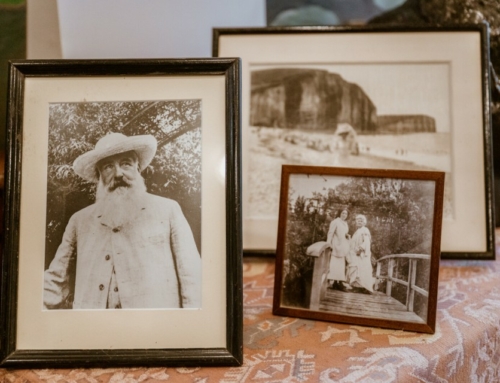
Giverny, Claude Monet’s living studio
In Giverny, Claude Monet took his exploration of light even further. His house and gardens became living works of art and constant sources of inspiration. Through the famous water lily series, Monet studied reflections, seasons and changing light throughout the day.
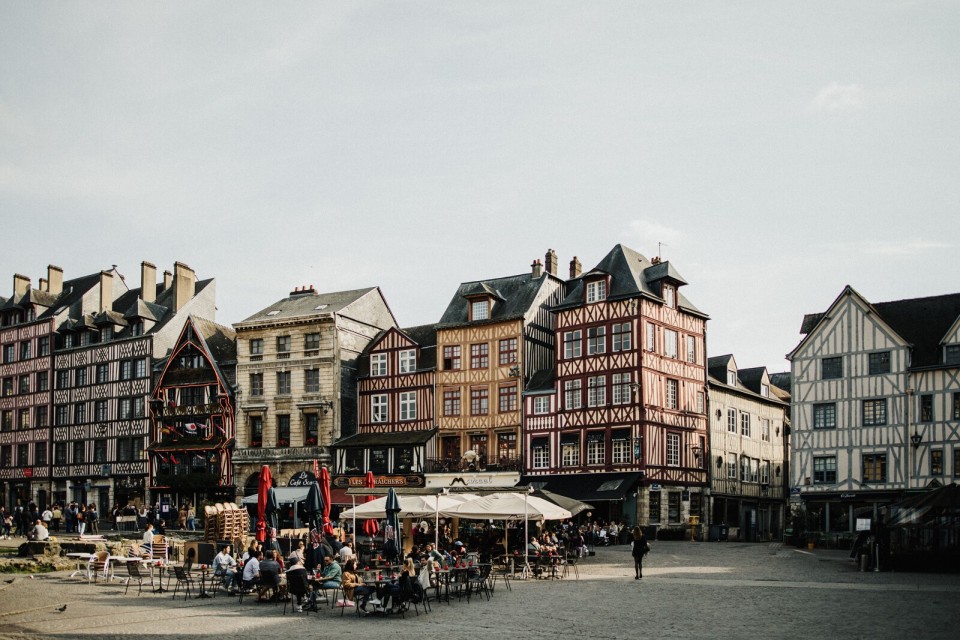
Rouen, Monet and Pissarro
Rouen also attracted Impressionist painters for its urban atmosphere. Claude Monet painted the cathedral at different times of day, while Camille Pissarro focused on quays, bridges and city life. Stone, mist and light became the true subjects of their paintings.
Cliffs and coastline, from Monet to Dufy
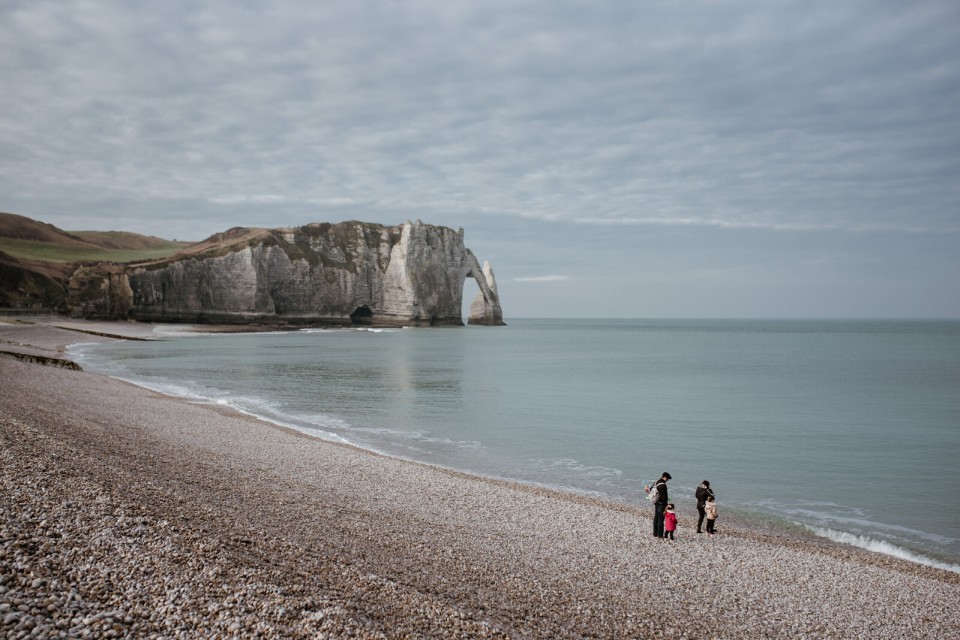
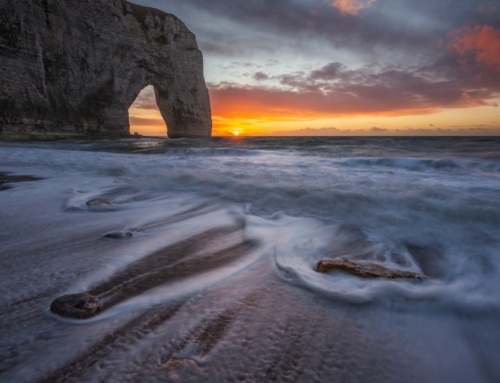
The Norman coastline inspired Impressionists and later artists alike. Claude Monet painted the cliffs of Étretat, while Raoul Dufy later focused on beaches and harbours. These ever-changing seascapes perfectly reflect the spirit of Impressionism.
Leave A Comment
You must be logged in to post a comment.